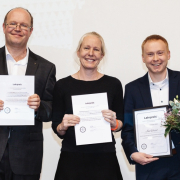


TR Interdisciplinary Perspectives: Space Wars
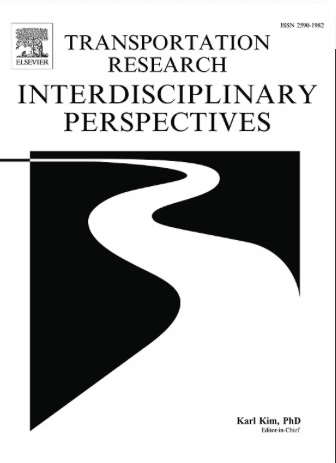 Urban street space is scarce and must be shared by different modes of transport. In this study, Gernot Sieg and Jan Wessel from the University of Münster analyse how street space should be allocated between cars, buses, bicycles, and parking in order to maximise the economic efficiency of the transport system. To this end, they develop an economic model of travel mode choice that accounts for how travel times, prices, and congestion influence travellers’ decisions. Applying the model to transport data from Berlin and New York City, the simulations show that reallocating street space away from cars towards buses and especially bicycles can substantially increase the efficiency of urban transport systems. The optimal extent of such reallocations differs between cities and is more pronounced in Berlin than in New York. Overall, the results suggest that reallocating street space can improve not only environmental outcomes, but also economic efficiency in urban transport. Access the full article in Transportation Research Interdisciplinary Perspectives.


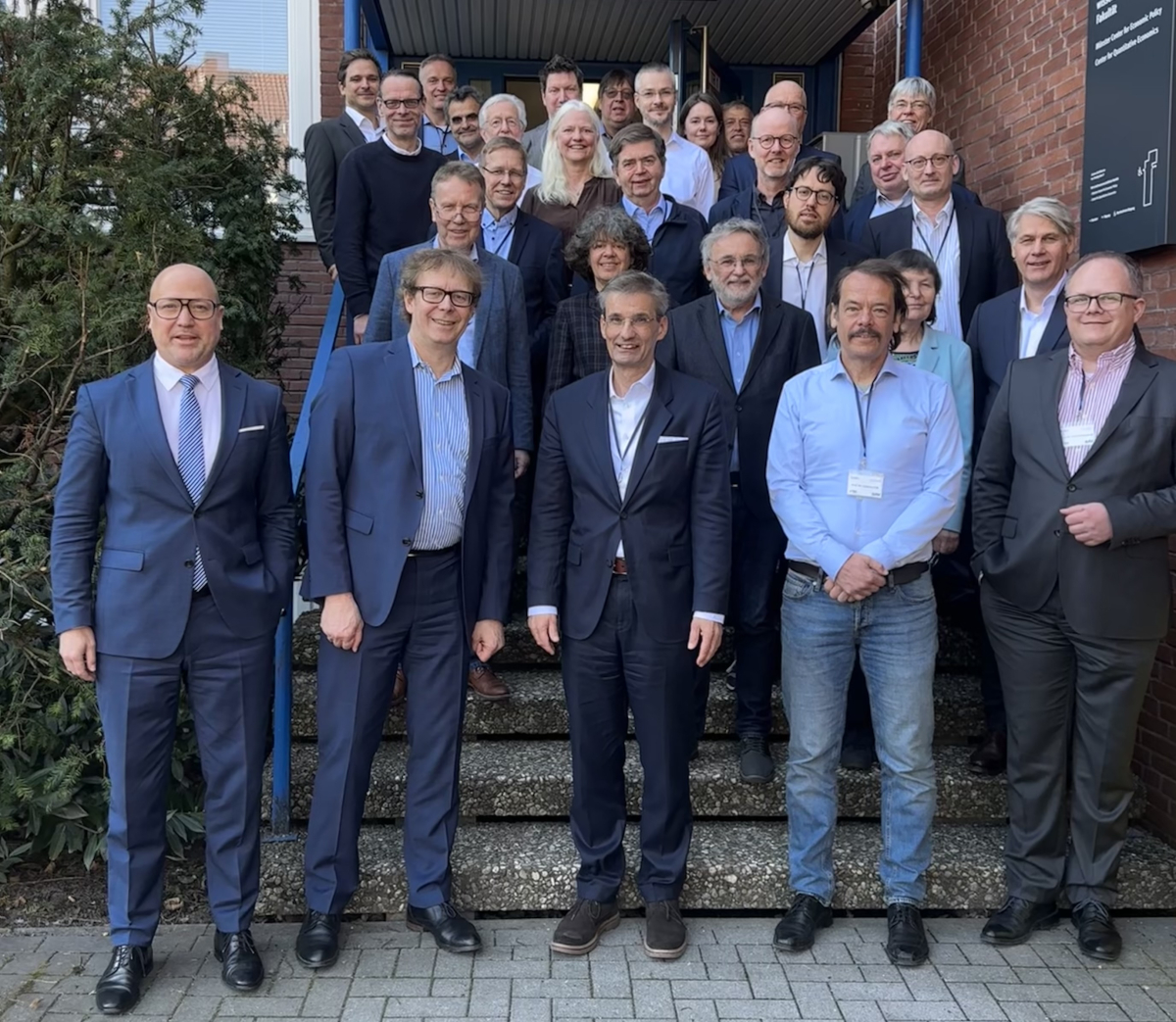 This year, the Institute of Transport Economics (IVM) hosted the annual meeting of the Economic Policy Committee of the German Economic Association (Verein für Socialpolitik). On March 18 and 19, leading scholars in economic policy from across Germany met in Münster to discuss the latest developments and findings in economic research.
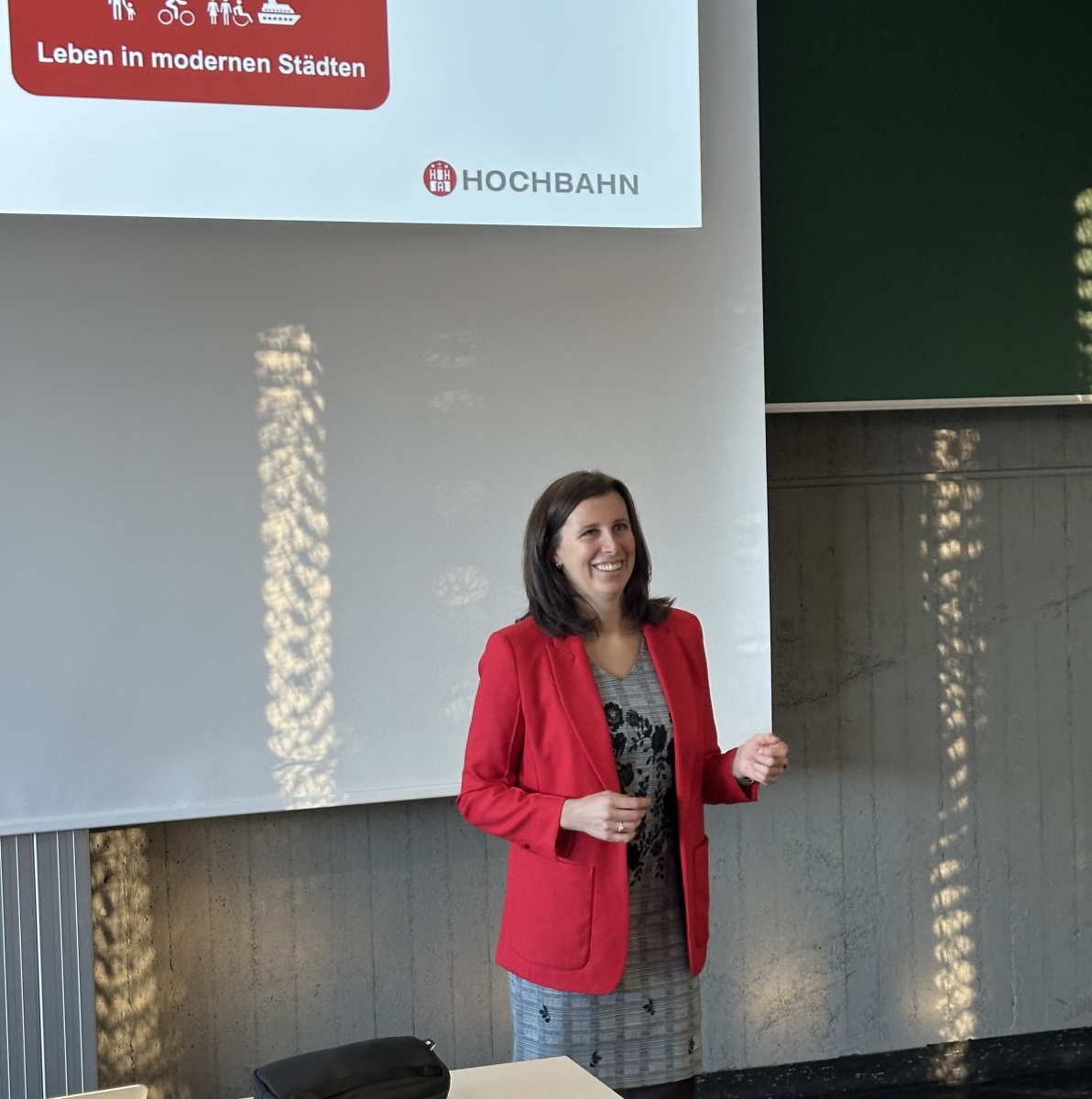 We thank Ms. Merle Schmidt-Brunn (Director of Finance and Sustainability at Hamburger Hochbahn AG) for her guest lecture as part of the course Principles of Transport Economics and for providing exciting insights into Hamburg’s transport transition.